
The Project I Didn’t Come Here to Do
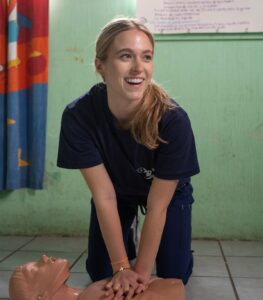
I came to Guatemala with a plan. I had spent months thinking about what I wanted my Lumos project to look like, gathering supplies, developing CPR and first-aid education materials, and trying to make sure that the work I did here would actually be useful to the communities I was serving. A little over a month in, I think one of the most beneficial things I have done is not sticking to my exact plan.
I came here with a specific idea centered around CPR and first-aid education. I still care deeply about that work, and it continues to be an important part of my time here. But once I arrived, started building relationships, and began listening to the people around me, a completely different need emerged.
Some background: while living in Antigua, I am being housed at and taking classes with a local Spanish school. The school has a partner nonprofit organization called ProChapina, which I knew very little about before arriving in Guatemala. ProChapina works primarily with single mothers who have experienced difficult circumstances, including physical, emotional, or financial abuse. The organization provides educational and entrepreneurial opportunities designed to help women support themselves and their families.
Coincidentally, the week I arrived, ProChapina was piloting a week-long medical clinic with short-term volunteers from the United States for members of the community.
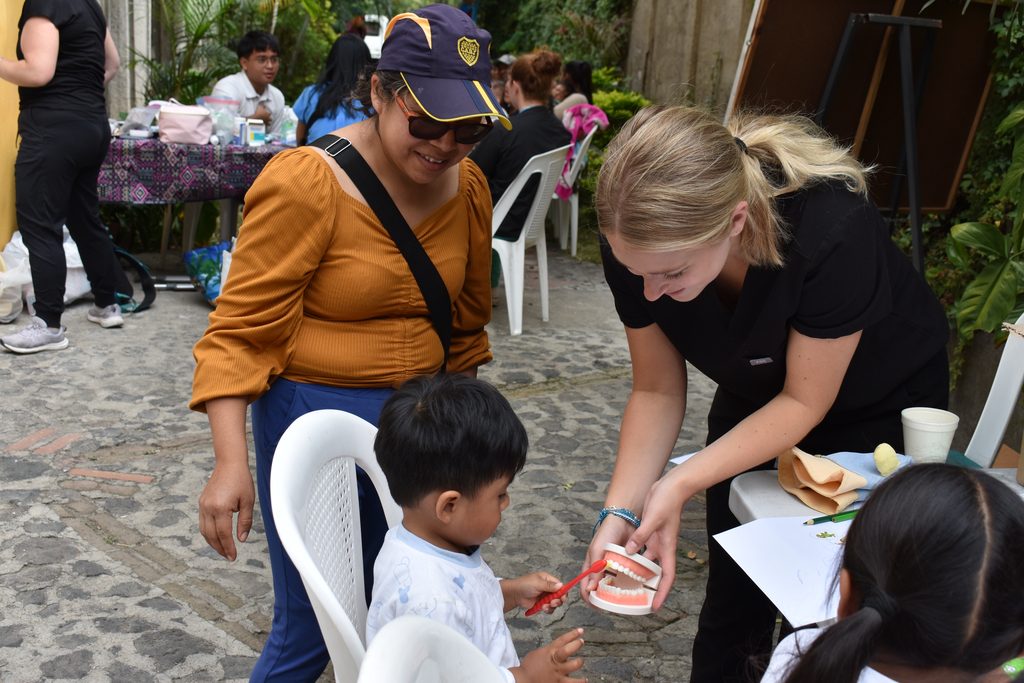
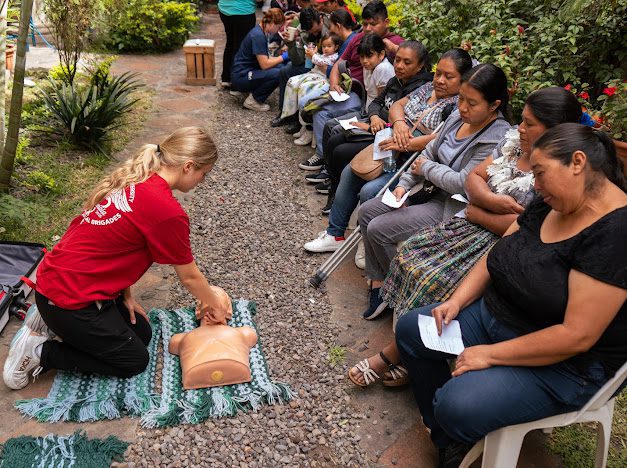
I had no idea this clinic would be happening when I planned my Lumos project, but I was grateful to be able to help when they asked. Throughout the week, I supported the physicians, helped with the organization and flow of the clinic, and incorporated CPR and first-aid education where it was useful. More importantly, I had the opportunity to listen to the patients, physicians, and the organization.
By the end of the week, the response from the community made it clear that there was interest in continued access to medical services. That conversation has now grown into something I never anticipated when I boarded my flight to Guatemala: ProChapina has asked me to help with the development of a permanent medical clinic in a village outside Antigua.
And I have quickly learned just how much I don’t know.
Opening a clinic is very different from running a week-long medical event. There are questions about sustainability, staffing, medications, funding, government regulations, community priorities, and what services would actually be most useful long-term. Even with having led week-long Brigades throughout my time at Belmont, many of those questions are far outside my own expertise. Rather than making this experience feel discouraging, though, it has reminded me why I came here in the first place: to learn.
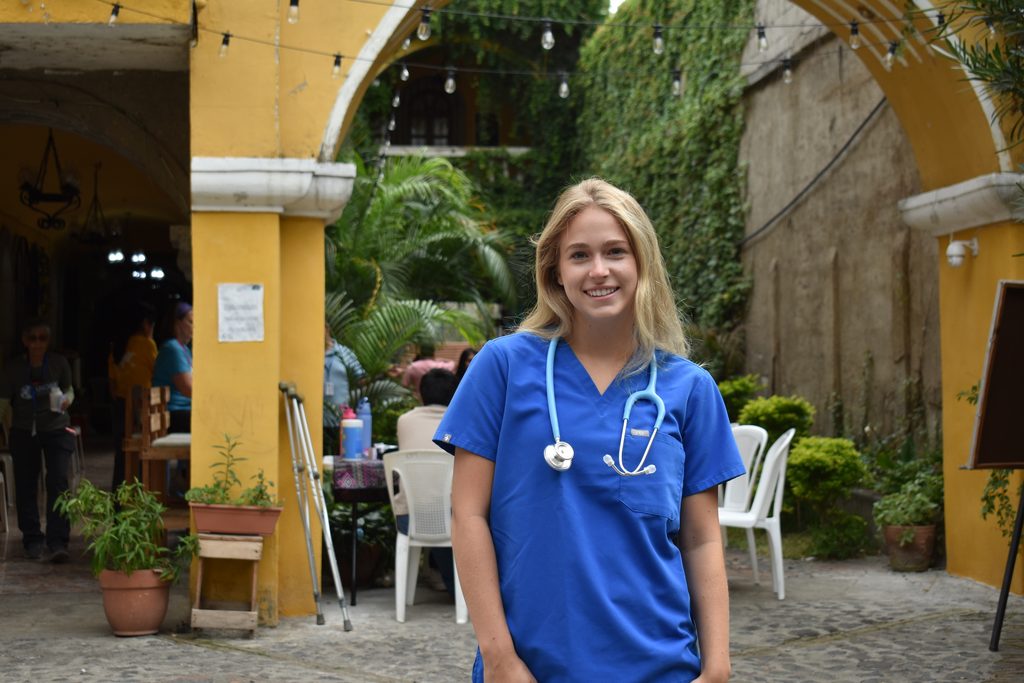
During my last semester at Belmont, I had the opportunity to take Global Health Innovation with Dr. Shelby Garner and Dr. Taryn McCoy. One lesson from that class has stayed with me throughout my time in Guatemala: global health work should respond to what a community identifies as a need, not what I, as an outsider, want the community to need.
That idea sounds simple in a classroom. Living it is much harder.
It means being willing to change something I spent months planning. It means asking questions before offering solutions. It means recognizing when someone else knows far more than I do and allowing them to lead me. Sometimes, it means realizing that the role I imagined for myself is not necessarily the role that will be most useful, and that’s OKAY.
I still believe deeply in the CPR and first-aid education that brought me here, and continue to work with my original partner organization. If anything, my experiences over the past month have reinforced how valuable accessible health education can be. But I am also beginning to understand that my original project does not have to define every day I spend here.
There is something exciting and humbling about waking up without knowing what that day will become.
Right now, the permanent clinic is still in its early stages. There are many conversations to have, questions to answer, and people with far more experience than me who need to be involved before it can become a sustainable reality. I don’t know exactly what my role in it will look like by the time I leave Guatemala. And maybe that is the point.
I came here thinking that preparation meant having a good plan. I am learning that sometimes preparation also means being willing to let that plan change. And to be adaptable to the needs around me.
The project I didn’t come here to do may end up teaching me just as much as the one I did.
More from this Author
-

Side Quests & Solitude
Welcome to Ella’s Bi-Weekly Spanish Lesson Guatemalan Phrase of the Week… “Púchica” = Wow When I imagined spending several months in Guatemala, I
-
My Google Calendar vs. Guatemala
Hello Lumos community! I have been on the ground in Antigua, Guatemala for two weeks now. It’s usually about this time, the two-week
-
This Time, I Get to Stay
Hello, Lumos community! My name is Ella Quincy, and very soon, I will be leaving for Antigua, Guatemala. After graduating from Belmont in
Ready to Travel?
Are you curious and ready to dream big? Do you desire to challenge yourself and make a meaningful difference? Become a Lumos Traveler - let’s get you started!