
On the Other Side of Care
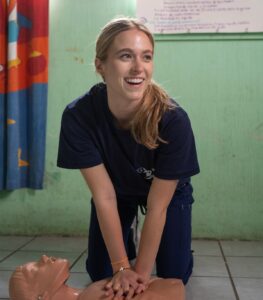
I came to Guatemala to do my tiny little fraction of a part in expanding access to healthcare. I never imagined that one of the most important lessons I would learn about healthcare access would come from needing it myself.
I’ll be honest. I was going to play it cool and write this blog about the Flower Festival currently taking place in Antigua. I probably would have found some way to turn the flowers into a metaphor about how I am “blossoming” during my Lumos experience. But the more I thought about it, the more I realized that I needed to write about something a little less beautiful, a little more uncomfortable, and a lot more honest (so here are some fun pics instead).
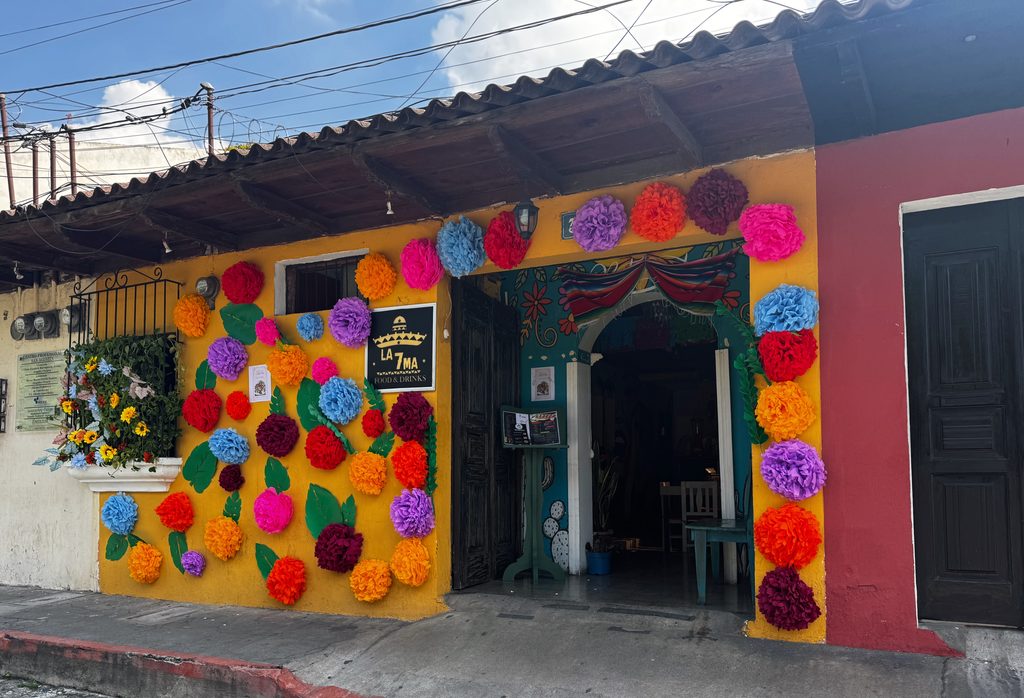
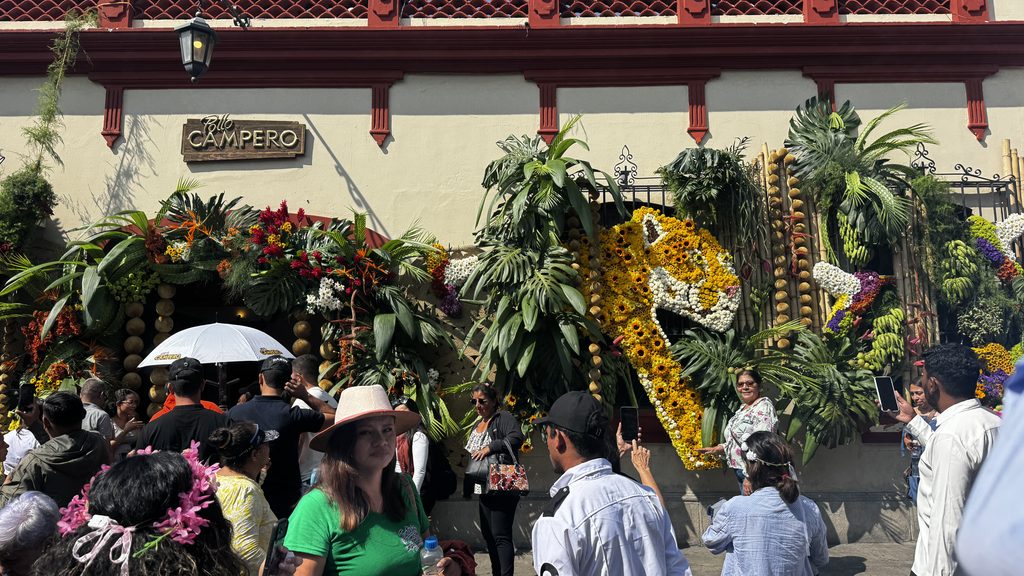
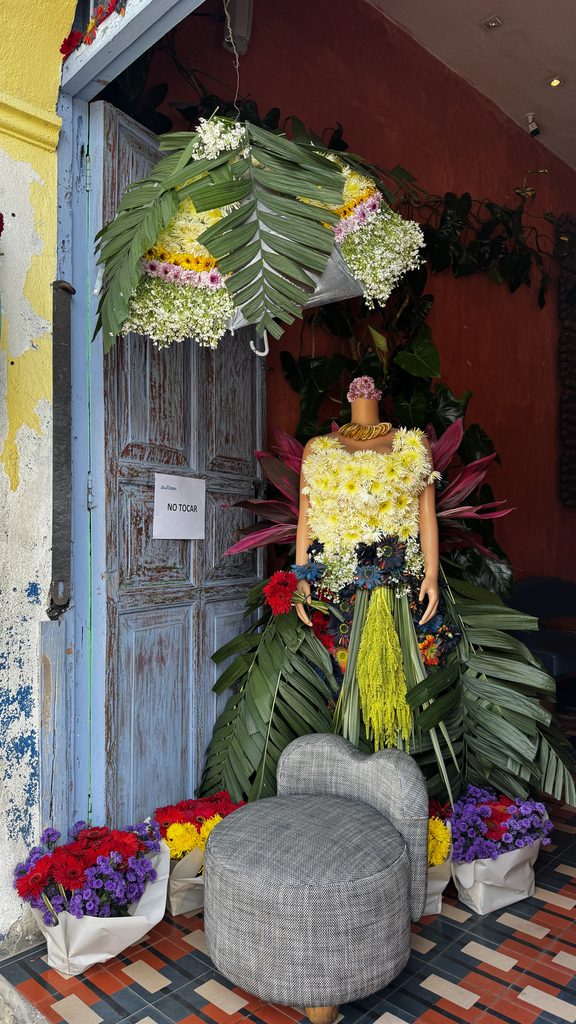
About a week and a half ago, while working at the clinic I’ve helped establish here in Antigua, I was administering a blood glucose test when I was bumped by children running nearby. In the commotion, I accidentally pricked my finger with a needle that had just been used on a patient.
My heart sank.
It happened in a matter of seconds. One moment, I was going about an ordinary day at the clinic. The next, I was trying to process what had happened and what I needed to do.
As an EMT and aspiring physician, I was familiar with the protocols around occupational exposure to bloodborne pathogens. I knew that the risk of transmission from a needlestick injury could be low, but that the consequences could be life-threatening. I also knew that certain preventive treatments were time-sensitive.
What I didn’t fully comprehend was how difficult it was about to be to navigate a foreign healthcare system in a developing nation from the other side.
I sought medical attention immediately, following exposure protocol as closely as possible. But these past weeks have been filled with uncertainty. I have encountered conflicting medical advice, difficulties accessing recommended testing, delays in receiving answers, and significant financial expenses. There were many moments when I felt like I was screaming just to be heard. For the first time since I arrived, I wasn’t the person helping someone else through a frightening situation. I was the one who needed help.
And despite my clinical experience, a university degree, and ChatGPT, I struggled! And this got me to think… what happens when someone doesn’t know what to ask? What happens when a patient doesn’t know which tests might be necessary? When someone can’t afford another consultation? When seeking medical care means finding transportation they don’t have or missing work they cannot afford to miss?
What happens when someone knows they need help, but the obstacles seem impossible to overcome?
These are no longer simply questions I ask as someone with a passion for global health. They are questions that have become deeply personal to me.
Throughout my time here, I have worked alongside an organization serving women who have experienced significant hardship. At our clinic, I’ve encountered patients managing chronic conditions and facing countless obstacles to receiving consistent medical care. I’ve spent many hours thinking about how to make healthcare more accessible to them.
But this experience has forced me to confront an uncomfortable truth: knowing that barriers exist is not the same as understanding what it feels like to encounter them. Especially when you understand the potential consequences of not receiving care immediately, but still struggle to access it.
And even now, I recognize that my experience was shaped by privileges that many of the patients I serve do not have. I had medical knowledge. I had people from the Lumos Committee I could call for guidance. I had the ability to advocate for myself, and I had resources that allowed me to pursue additional care. For many people, those options are not available.
I also want to acknowledge the people who showed me compassion throughout this experience. There were individuals who helped me find care, accompanied me to appointments, and offered support when I felt overwhelmed. Their kindness reminded me that even within imperfect systems, people being present can make an extraordinary difference. That is something I will carry with me when I serve my future patients.
People have asked me whether this experience has made me want to come home. Whether I’m frustrated that, after spending so much time helping others access healthcare, the moment I need it myself, I am having to fight so hard. But honestly? It has put a fire in my heart. A fire for the people I’ve met who navigate barriers like these not just during a medical emergency, but every. single. day.
And because of this, and my Lumos experience, someday when I am the physician on the other side of the examination table, I will remember exactly what it felt like to be the patient. Not because my experience is the same as those I serve. It isn’t. But because, for a brief moment, I am understanding something that no textbook or clinical work has ever quite taught me:
Sometimes, the greatest barrier to healthcare isn’t figuring out that you need help, but it’s figuring out what to do when the help you need is difficult to find.
And I intend to spend my life doing my small part to challenge that.
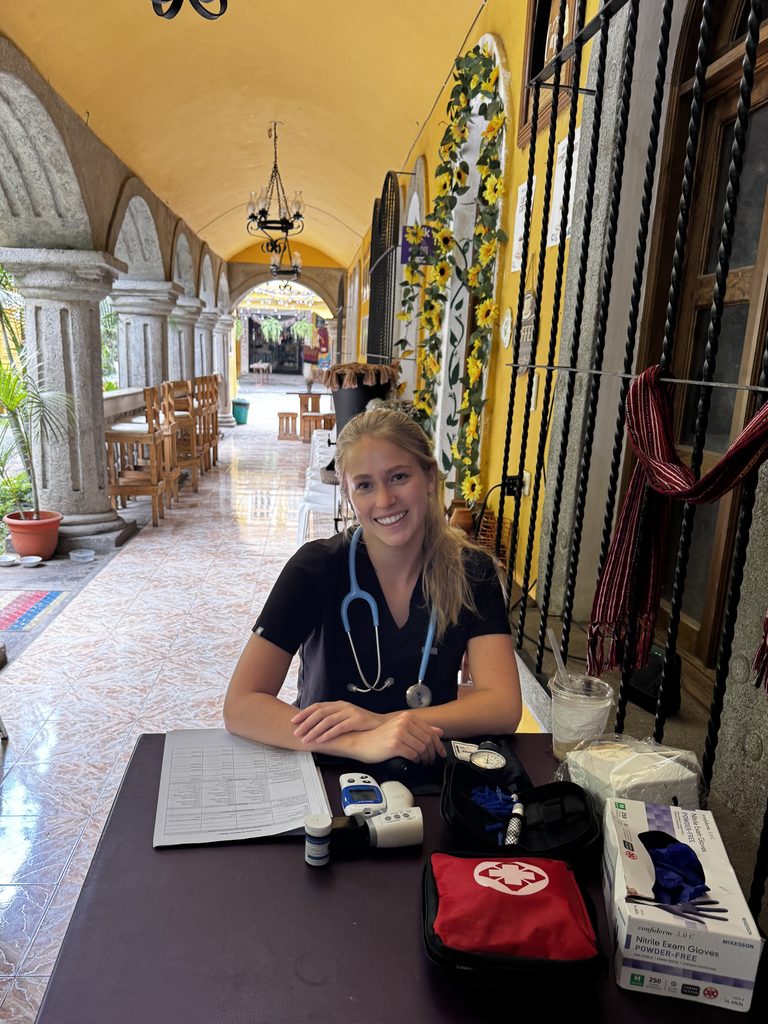
Guatemalan Bi-Weekly Spanish Lesson… ¿Qué onda vos? = What’s up, dude?
More from this Author
-

Somewhere Along the Way, It Became Home
There is something special about showing someone around your hometown. You know where to take them for coffee, which restaurants to recommend, and
-
The Languages of My Lumos Experience
The Languages of Lumos The Bi-Weekly Guatemalan Phrase: When I moved to Guatemala, I knew I would be learning a new language. After
-
Side Quests & Solitude
Welcome to Ella’s Bi-Weekly Spanish Lesson Guatemalan Phrase of the Week… “Púchica” = Wow When I imagined spending several months in Guatemala, I
Ready to Travel?
Are you curious and ready to dream big? Do you desire to challenge yourself and make a meaningful difference? Become a Lumos Traveler - let’s get you started!