
Is News Something We ‘Do?’

Last week, I sat in on a panel hosted by the Houses of Parliament titled “After the US Midterms: What the Results Mean for America and the World.” Eager—yet displaced—young Americans filled the room, many of them studying international politics. I was by no means detached from the political state overseas, but distance had a way of blurring my vision. Talking to family and friends over the phone or reading headlines didn’t quite have the same effect as breathing in the political climate of the United States. Sitting in that room, a notepad open in front of me, I sought to draw a picture of what I was missing. My intention was to become better informed about the election’s international effects, but what I left with was something much deeper.
Mel Bunce, Deputy Dean of the School of Communication & Creativity at City St George’s, University of London, spoke of how the news cycle had influenced the results of the election. But her insight went beyond journalism’s role in politics. She urged us to reconsider the role journalism should play in every aspect of our civic lives, especially in a time when journalists are labeled an “enemy of the American people.”
“Journalism represents the critique of power,” Bunce said when illustrating the role of journalism in the political cycle.
Critiques of power structures were a major focus of the midterms from all sides. Democratic leaders who ran more moderate campaigns saw unprecedented turnout—most notably in Texas. On the other side, lifelong Republican voters took chances on blue tickets as a protest against the rising cost of living. Somewhere in between, a vast divide has ever so slightly narrowed. I can’t say whether we’re becoming more centrist, but Republican and Democratic voters have formed temporary alliances to take a stand against the systems of power governing their lives. For Democrats, this was against legacy candidates out of touch with real-life struggles. For Republicans, this was a message to an administration that promised to look out for the common man’s best interests.
So, yes, America has proved to its peers that its democratic systems still provide a voice to the people. I never believed otherwise—or wouldn’t let myself—though this was a common sentiment among Europeans. Many of whom would explain to me over a pint how, if they were me, they’d do things a little better. To which I’d reply that I did not run the country.
America has not lost its ability to critique power structures or exercise its civic rights. But will this return to critical thought prompt a return to independent journalism?
As of October 2026, 6% of Americans got their news from newspapers. The vast majority, 88%, said they at least sometimes got news from digital devices. At least sometimes. And for that small share of news consumed, what kind of news is it—if it’s trustworthy news at all?
In my circle, mostly friends and family, I observed a slight uptick in their reliable news consumption during the midterms. People who typically didn’t touch the subject were sending me articles from reputable sources and asking thoughtful questions about the impacts of such reporting on their lives. But is this piqued interest already fleeting?
When the floor opened for questions, I asked Bunce something along these lines: Will the midterms drive people toward independent journalism and away from social media news and bad actors? Will we begin to critique this algorithmic power structure, too?
The answer was optimistically tinted, though without illusions. Both the journalism industry and the public are faced with a choice. After the POLITICO, CNN, and MS NOW White House ban, more than 50 media organizations rallied in protest. Biases aside, these publications proved that the autonomy of a free press is more important than the rivaling politics of that press. Fox News was included in the list of organizations condemning the media ban, underscoring how both people and publications have more to gain when standing together. The midterms, in many ways, exhibit a similar measure of cross-party solidarity.
Throughout history, news consumption surges in times of great distress or pressing public concern. But in those times, too, our bond with the journalism industry proved temporary. What would it take to forge a healthy, long-lasting relationship? How can we make solid, trustworthy news a part of everyone’s daily lives?
At a later parliamentary meeting, the subject was approached from a different angle by Baroness Bennett of Manor Castle. Her aim was to drive more young people to get involved in politics, a world inhabited and dictated by people aged 50 and older. In the UK, this demographic has been relatively static since 1979.
“We need to live in a world where politics is something that we do,” Baroness Bennett argued, “not something that is done to us.”
Should our relationship with the news be any different? News, like politics, is something that we should all do. By seeking out and consuming trustworthy journalism, we’re not just inoculating ourselves against a flood of disinformation, but also choosing to take an active role in our democracy. But how do we make this a national priority—can we?
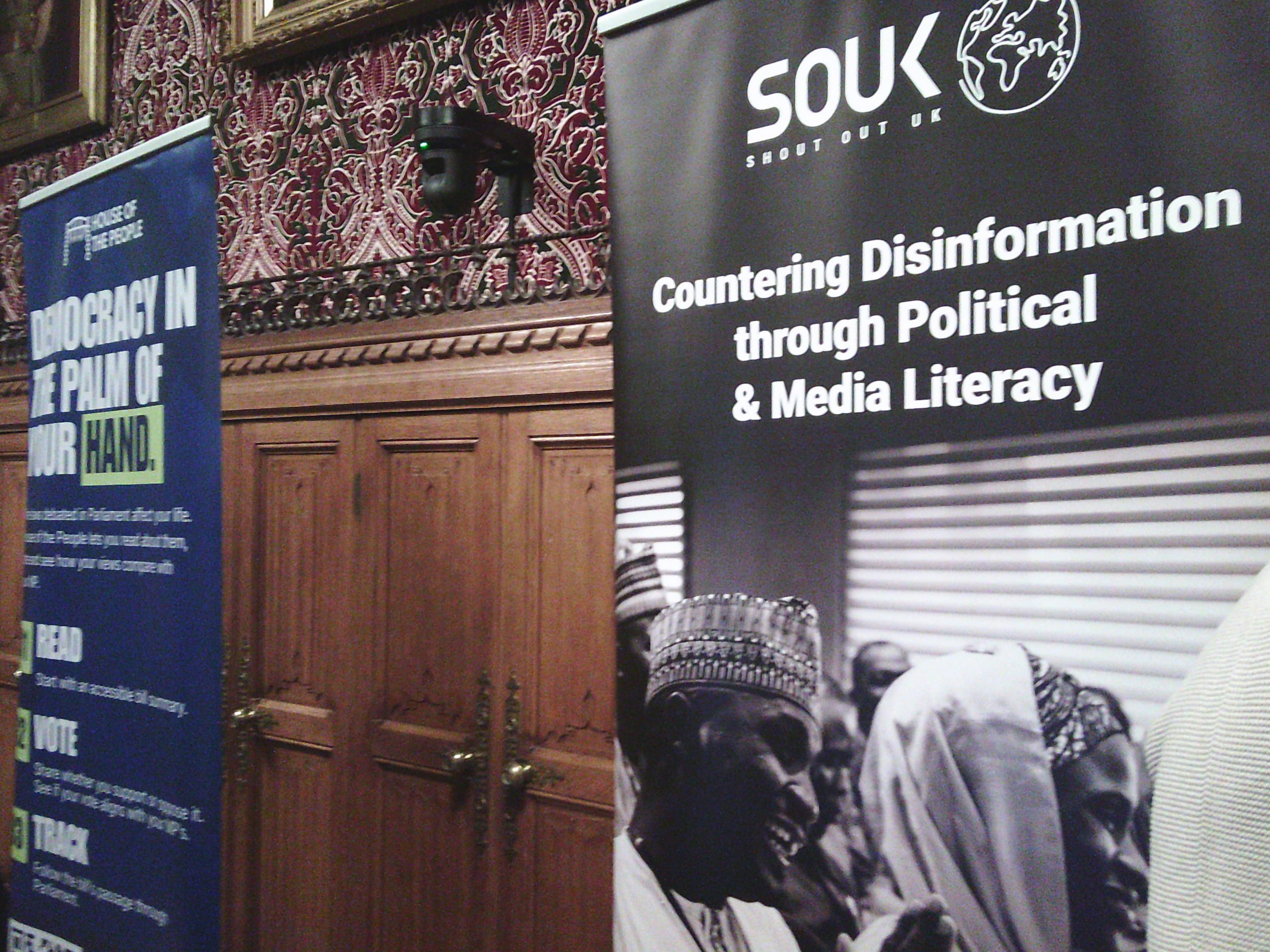 Setting up for our UK Parliament Week event.
 Finally seeing the sun. Thank you, Barcelona.
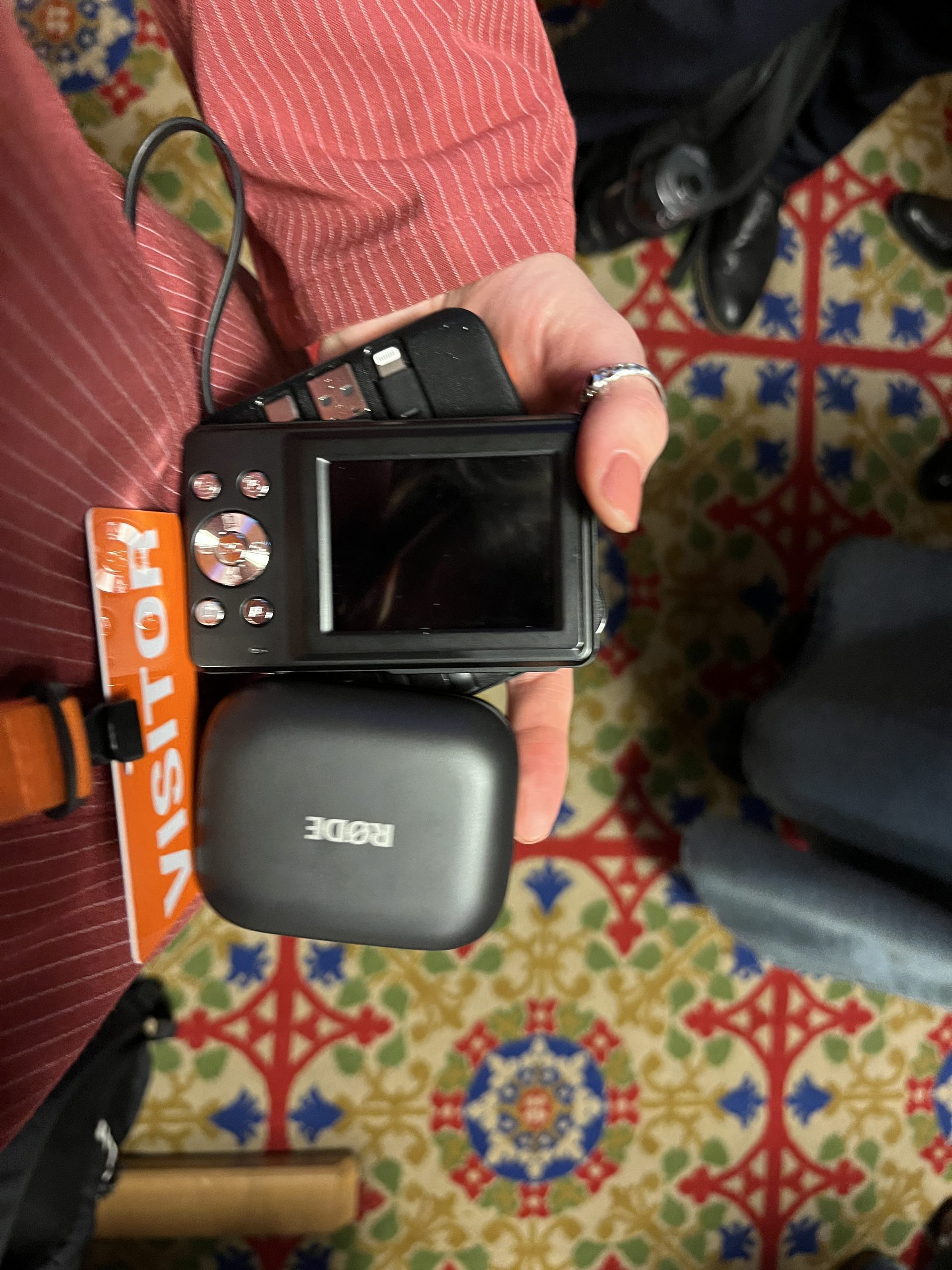 My arsenal of content creation tools.
 An afternoon at the Picasso museum.
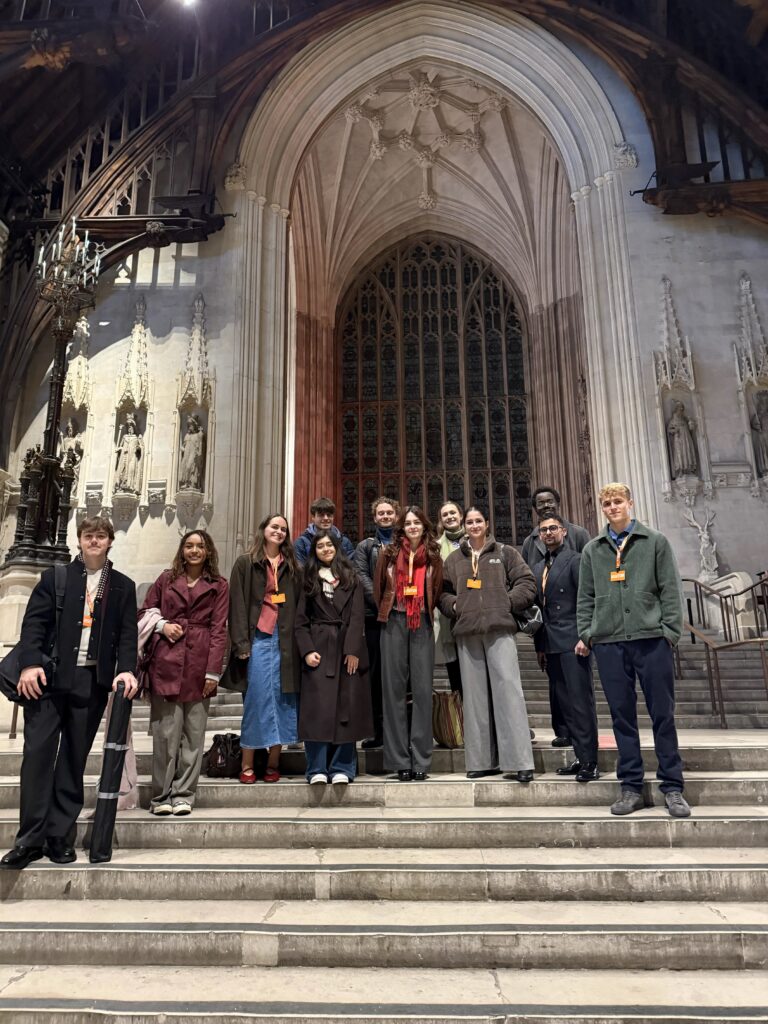 The dream team.
More from this Author
-

A Chronicle of a Walk on a Sunny Day
11:45 AM on a Thursday. Sunny, for the first time in a long time, which makes it the perfect day for a walk.
-
All Roads Lead to the Honky Tonk
Around 8:00 PM on a Saturday night, I stumbled into a Nashville-themed honky-tonk bar in Scotland. Picture the worst parts of all your
-
An American in Parliament
If messages of the manosphere are already so deeply ingrained in victims, what approach is required to help them? Or is there simply no way to reach someone who doesn’t want to be reached?


Ready to Travel?
Are you curious and ready to dream big? Do you desire to challenge yourself and make a meaningful difference? Become a Lumos Traveler - let’s get you started!