
Opportunity for Observation

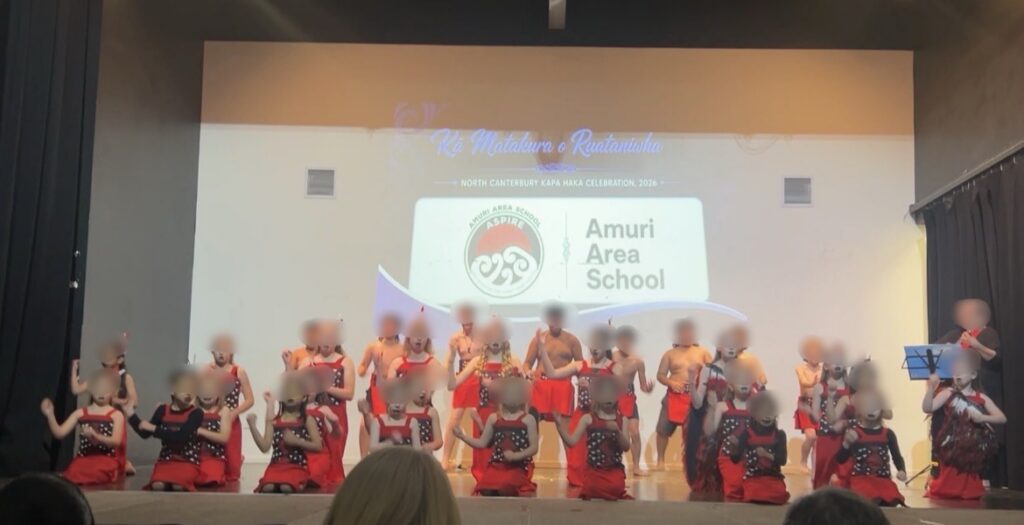
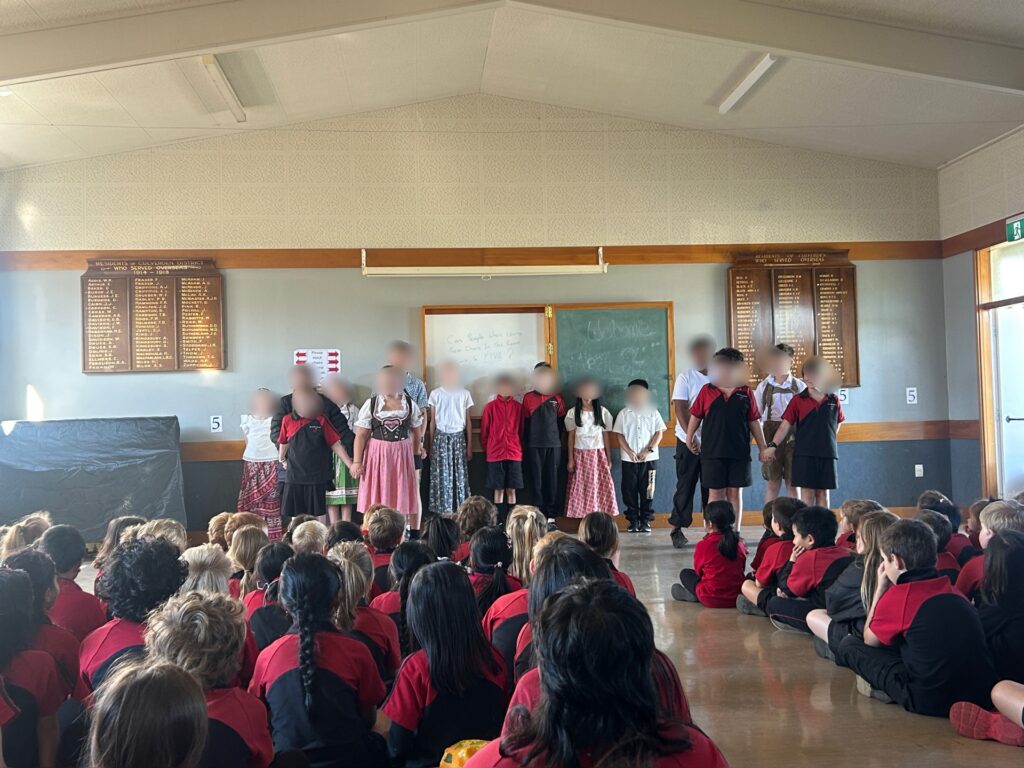
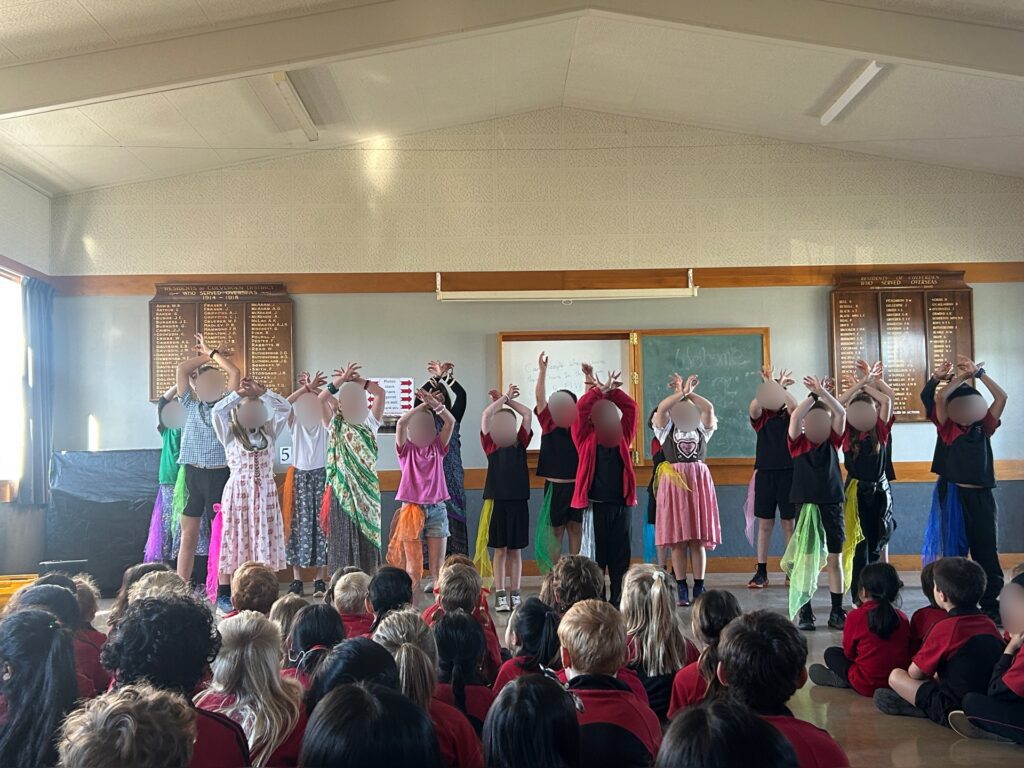
As I become more fully settled into the rhythm of life in New Zealand, I become more aware of the strengths and opportunities for growth in education in New Zealand, especially the education of those who experience learning differences. One great strength of schooling in New Zealand is the emphasis on culture, art, and creativity. Many activities encourage celebrating a diversity of backgrounds and cultures. There is a particular focus on preserving Māori culture. One way this was highlighted was the recent Kapa Haka festival. This was a celebration and performance of a traditional Māori dance, Kapa Haka. The literal translation of the phrase is to form a line and dance. It displays tribal pride and warrior strength that is characteristic of the Māori culture. Kapa Haka typically involves men and women dressed in warrior garb and makeup standing in lines and moving together while singing and chanting in te reo Māori (the Māori language). Typically, the women begin by standing in front of the men, dancing using fluttery and flowy movements and singing in unison. The men then step forward with intense warrior chants and movements; stomping, pounding their chests, and flexing their arms. At the most recent Kapa Haka festival, Amuri’s Kapa Haka team wore their Māori garments and costumes and took the stage to show their cultural pride! Students also shared a German and Indian dance to celebrate the culture of students in the school.
Another strength of schooling in New Zealand is that the integrated grades (meaning each classroom has two grade levels) make much of the work easy to individualize. This is of benefit to students who may require extra help, especially those with learning disabilities. Since students receive work based on their grade, each student’s learning can be tailored to their level.
One opportunity to grow is in the rigor of academic life. The Kiwi culture is incredibly laid back, which extends to education. The school system does not allow students to fail a grade and get held back until they reach Year 11. This can breed a culture of complacency around learning. Since testing is not a large part of education until Year 11, many children use AI to complete homework and projects because there is no measurable consequence for them failing to retain the content. This may make children feel more comfortable and less stressed; however, students often brag about how late they are turning in work, have difficulty producing their own ideas, and struggle to stay focused. I believe that rigor and stress can be good for the development of students when properly applied. This is no fault of the teacher or the individual school, but rather of the overall New Zealand educational system established by the Ministry of Education. This observation has taught me the importance of healthy stress to motivate growth and learning. When intrinsic motivation is slim, extrinsic motivation encouraging positive outcomes, such as intelligence, is important.
Overall, this work is growing me to be a better observer of the needs of students. It is training me to notice what may be helpful or unhelpful for vulnerable students, and how to meet their individual and collective needs.
More from this Author
-

Adventuring Through Aotearoa
The past two weeks have been filled with incredible adventure and beauty as I ventured through the mountains and mud of New Zealand.
-
Concluding the Term
The past two weeks at Amuri have wrapped up the final weeks of term three (of four). As the term concluded, students partook
-
Culture Week and Book Week
The past few weeks have been filled with creative learning and fun. Last week, Amuri focused on honoring the various cultures of the
Ready to Travel?
Are you curious and ready to dream big? Do you desire to challenge yourself and make a meaningful difference? Become a Lumos Traveler - let’s get you started!