
Concluding the Term
The past two weeks at Amuri have wrapped up the final weeks of term three (of four). As the term concluded, students partook in a fun trip to the zoo; others wrapped up their module learning; the older students participated in preliminary exams; and staff reviewed the efficacy of their service to students and how to improve it.
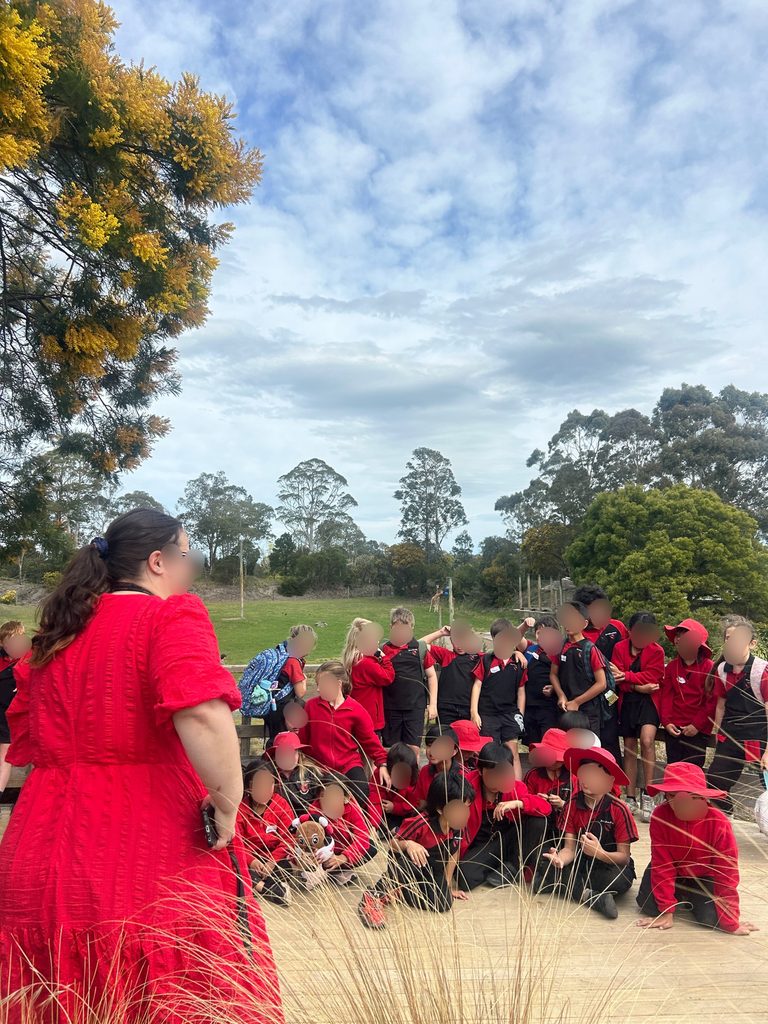
Grades 3 and 4 endeavored to learn about animals and ecosystems through a hands-on trip to the zoo. Students were invited to feed giraffes, learn about the global repopulation project for endangered animals, and how to care for their environment to preserve and regenerate the health of the earth.
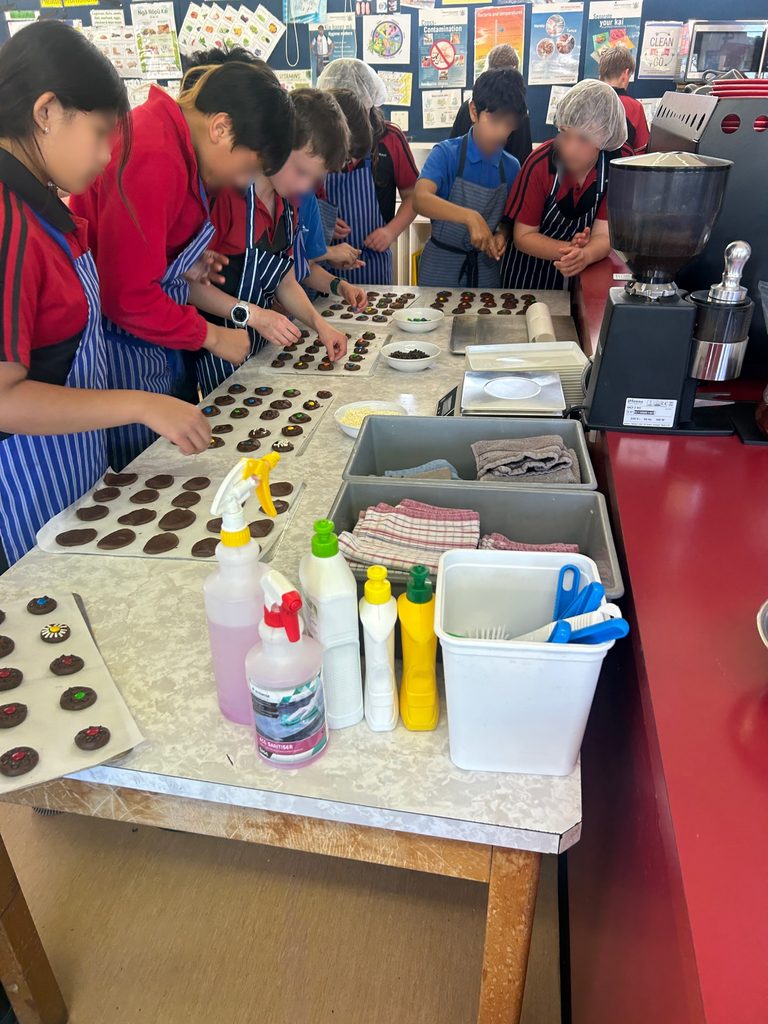
Students also drew their module learning to an end. These are specialized classes that are tailored to life skills such as cooking, technology, sewing, and woodworking and rotate through during the four terms of the year. Often, students with special needs excel in these classes when more traditionally academic subjects such as math, English, and science require more specialized attention. This semester, I often accompanied these students in cooking class, where they excelled in tactile learning of a life skill that can benefit brain function and nutrition.
As the end of this term marks the beginning of the next, staff inquire about what they have been doing well and ways they can improve. Part of this process involved sending out surveys to students asking how they feel the most supported at school and what other supports they felt would be beneficial. This gives administrators an idea of where resources are best allocated and gives students a platform to voice a need for help that may otherwise be overlooked.
Furthermore, meetings with parents of high-needs students were conducted. These meetings reviewed and improved upon care plans. One of these meetings for a high-needs student involved assessing the benefits of digital learning technology that increases a student’s access to learning who cannot read or write due to a disability. This assessment will be included in an application that is sent to the Ministry of Education petitioning for a full-time iPad to be allocated to this student to have for all learning needs. One of my primary roles this term was to adapt in-class concepts to an accessible and digitized format for this student. This enabled a student who was otherwise unable to take part in the learning the rest of the class was participating in to join in with his peers’ lessons, producing inclusivity and belonging.
Another meeting included a generalized specialized care meeting in which all teacher aides gathered to discuss the needs of entire classes, high-needs students, and students we have noticed may have needs that have gone overlooked and how we can best support them. We sought to adjust care to be distributed effectively to all students. All of us got to provide perspective on parent involvement, strengths of students, and areas where it would be wise to adjust our approach- potentially diverting attention to strengthen self-reliance and confidence.
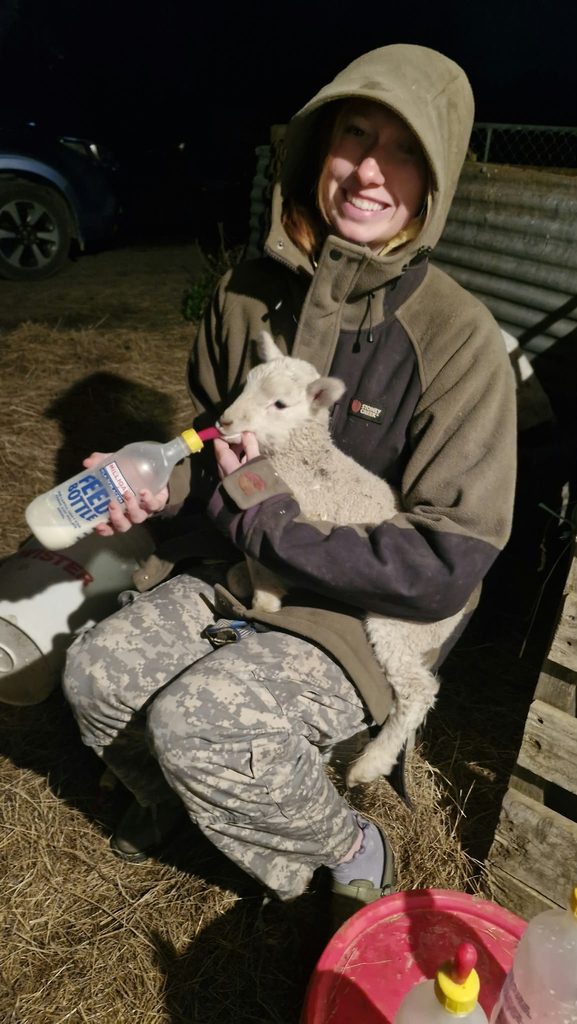
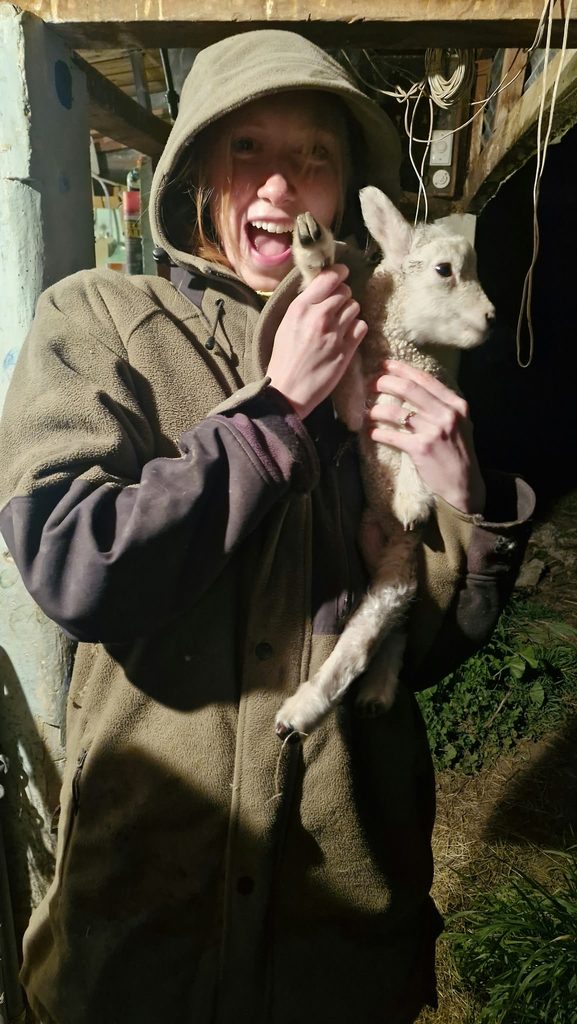
PS, in true Kiwi fashion, I had the opportunity to feed some lambs! Lambs are more populous here than people, and farming shapes much of the culture. Participating in farmwork allowed me to step into the life many of the students live!
More from this Author
-

Adventuring Through Aotearoa
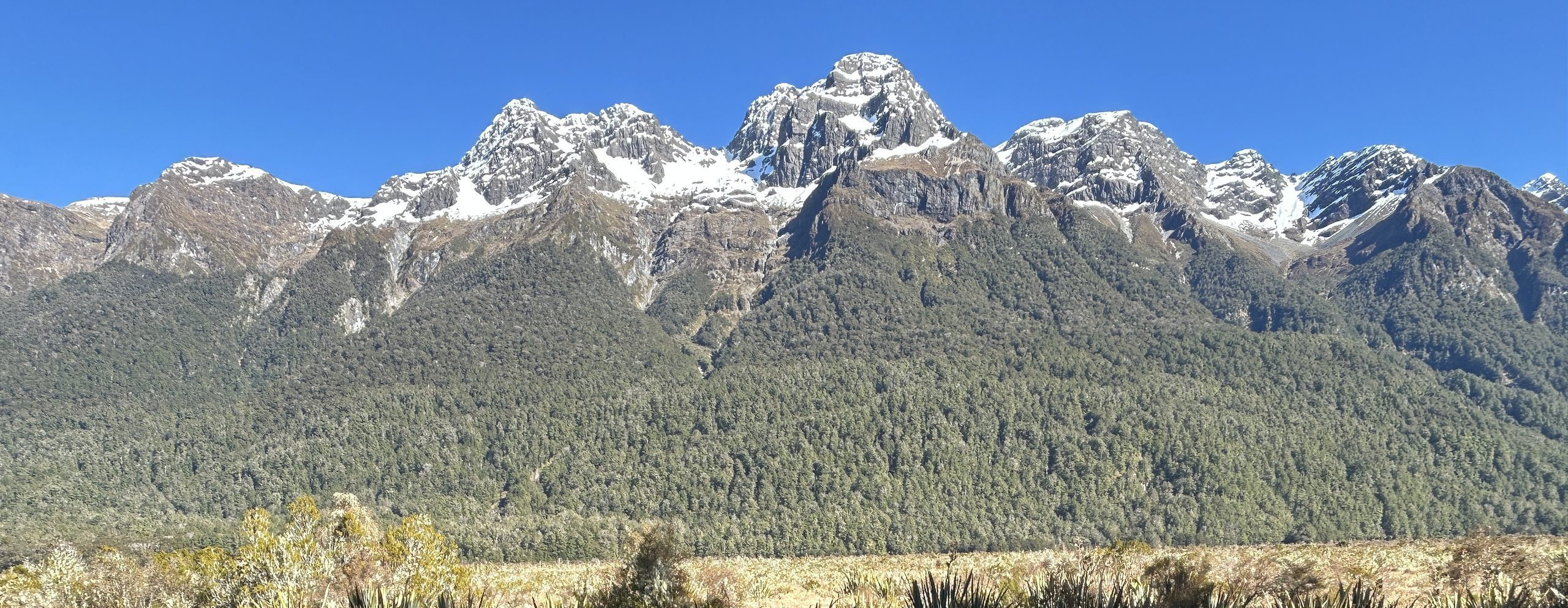
The past two weeks have been filled with incredible adventure and beauty as I ventured through the mountains and mud of New Zealand.
-
Opportunity for Observation
As I become more fully settled into the rhythm of life in New Zealand, I become more aware of the strengths and opportunities
-
Culture Week and Book Week
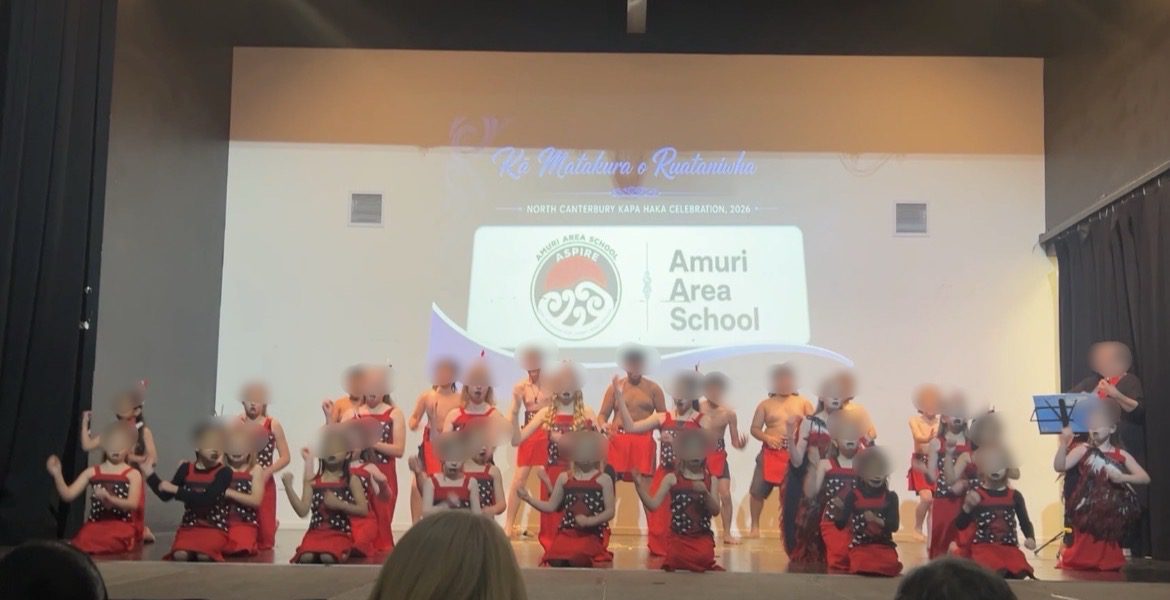
The past few weeks have been filled with creative learning and fun. Last week, Amuri focused on honoring the various cultures of the
Ready to Travel?
Are you curious and ready to dream big? Do you desire to challenge yourself and make a meaningful difference? Become a Lumos Traveler - let’s get you started!