
Harvest Season

One thing I am learning about community work is that sometimes you have to know when to slow down. Over the past few weeks, harvest season has changed the rhythm of our young women’s discussion groups. Attendance began to drop as more women spent their days harvesting crops and earning money. At first, it was frustrating to see the numbers decrease after putting so much thought into our discussions. But the reason made complete sense. If a woman has the opportunity to work and earn income for herself or her family, attending a discussion group may not be the priority that day. I cannot talk about economic empowerment while being upset with women for choosing an opportunity to make money. That realization helped me look at our attendance differently.
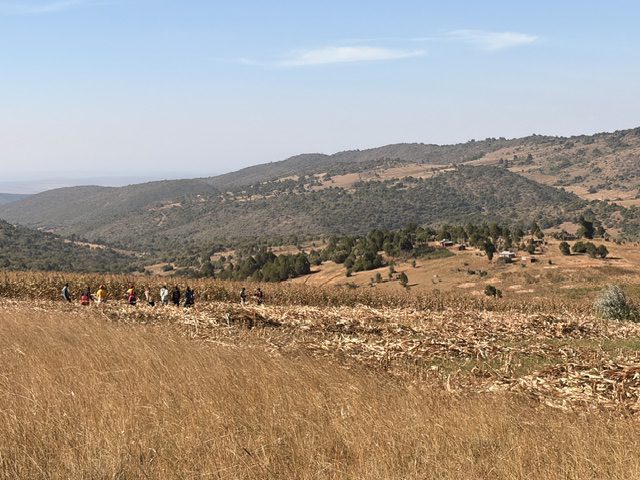
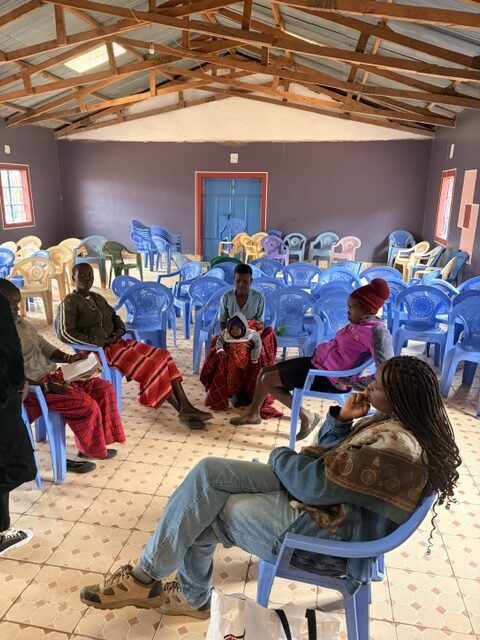
From a public health perspective, this experience has made the social determinants of health feel much more tangible. Employment and income affect more than what someone can afford. They also affect how people spend their time and what opportunities they can participate in. Low attendance does not automatically mean a lack of interest. Sometimes it simply reflects the reality of people’s lives. Instead of pushing forward with the schedule we originally created, we decided to slow down our engagement and work more closely with the community’s timing. Our most recent meeting had better attendance, which reassured me that changing our approach was the right decision. Community engagement cannot only happen when it is convenient for the program. If we want people to walk with us, we also have to be willing to walk with them.
During this period, I kept thinking about Galatians 6:9: “Let us not become weary in doing good, for at the proper time we will reap a harvest if we do not give up.” The fact that harvest season is the exact reason our meetings slowed down made the verse feel almost too fitting. It reminded me that the work I am doing here does not need to produce immediate results to still have value. Some seeds take time. My role is to keep showing up, listen when something is not working, and be willing to change course instead of forcing a plan simply because it was the original plan.
With field engagement moving at a slower pace, I have also shifted more of my attention toward proposal and grant writing for Shakenisho. It is much quieter work than traveling into the villages, but it has given me time to think about what sustainability actually looks like. A successful meeting can make an impact that day, while a strong proposal could help create resources for a program long after my fellowship ends. Both forms of work matter, even if one happens around a table with the community and the other happens behind a laptop.
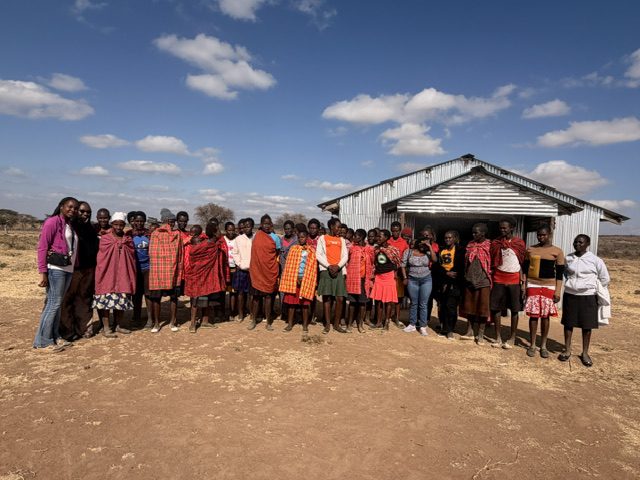
Lately, I have had to become more comfortable with letting the work change shape. Some weeks are spent in the field having conversations, while others are quieter and spent writing proposals behind a laptop. Neither necessarily feels as exciting as having everything go according to plan, but I am realizing that this fellowship was never going to follow a perfect schedule. For now, I am taking each week as it comes, doing the work that makes sense in the moment, and learning from what happens along the way.
More from this Author
-

BIrthday Activities
There is something incredibly strange about watching everyone go back to college when, for the first time in four years, you are not
-
Kenya in the Cultural Context
I think I am finally getting comfortable. Not comfortable in the sense that everything feels familiar, because trust me, I am still learning
-
Jambo kutoka Kenya! (Hello from Kenya!)
There is something surreal about preparing for a journey that has lived in your imagination for months. For me, that preparation looked like
Ready to Travel?
Are you curious and ready to dream big? Do you desire to challenge yourself and make a meaningful difference? Become a Lumos Traveler - let’s get you started!