
Another Part of the Story
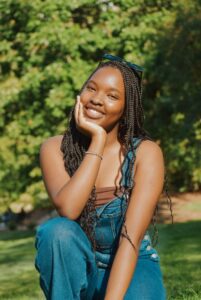
Over the past few weeks, I have spent more of my time visiting schools around Narosura. With harvest season still happening, we decided to shift some of our time away from the village discussions and focus on girls who are currently in school. This was a little different from what I originally imagined my project looking like. Most of my work has centered around young women who are already out of school, many of whom are married, have children, or are beginning to think about how they can create some form of income for themselves. Walking into the schools and sitting with girls who are still in secondary school felt like I was seeing an earlier part of that same story.
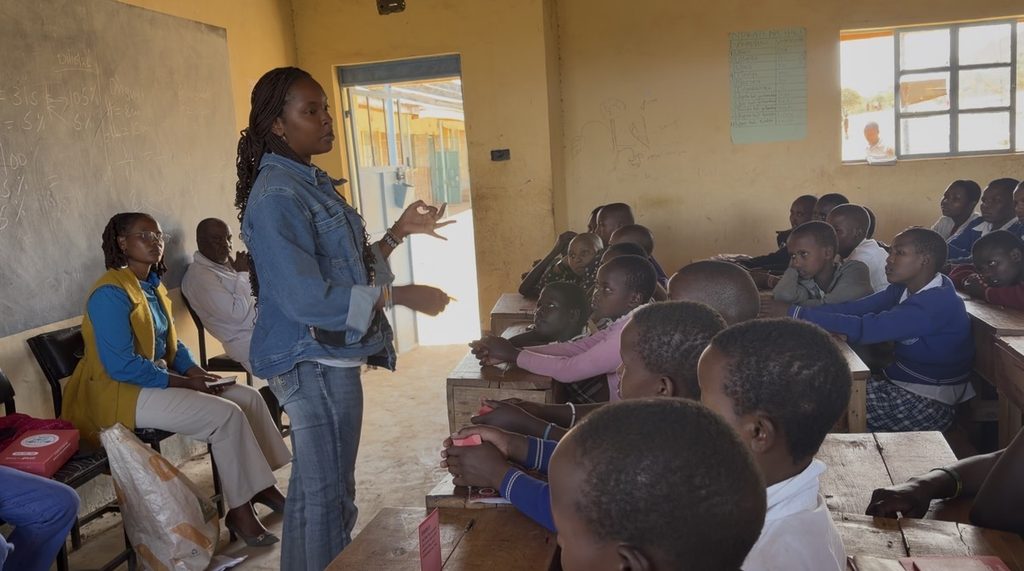
Something I have noticed during my time here is how much the conversation around education is changing. In some of the Maasai communities we work with, especially farther outside of Narosura, education has not always been viewed as something every child needs, particularly girls. There are so many other factors that shape that decision, from household responsibilities and finances to marriage and what families have traditionally expected from their daughters. But I have also heard people talk about how those ideas are slowly shifting. As more children have gone to school, there are more examples within the community of what education can lead to. I think being able to actually see some of those changes happening has made education feel less like an abstract part of development work and more personal to me.
During one of our visits, I had the opportunity to sit down specifically with the young ladies and talk about healthy relationships. We talked about respect, boundaries, and what they should expect from the relationships in their lives. We also talked about school and encouraged them to continue with their education. I enjoyed this conversation because it was not very complicated. We were not trying to solve everything in one afternoon. It was really just an opportunity to sit together, talk, answer questions, and remind them that the decisions they are making now matter.
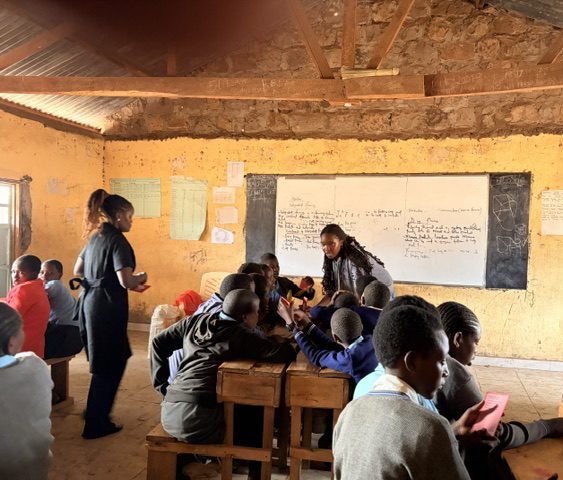
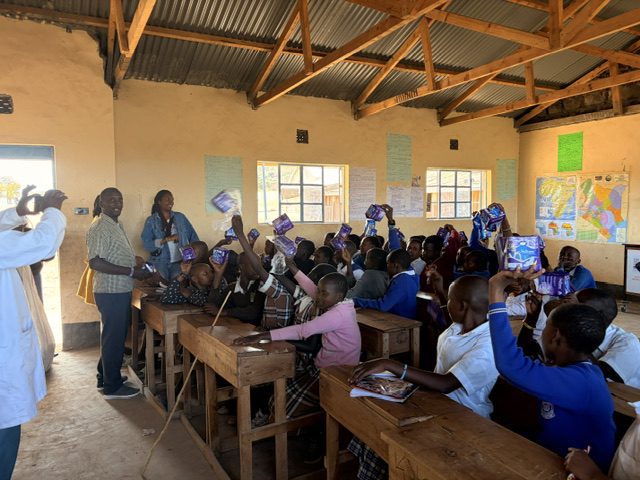
We also talked about menstruation and hygiene and were able to give the girls packets of sanitary towels. I think this was one of the moments where my public health brain naturally came back into the experience. Menstruation is such a normal part of life, but access to sanitary products and being comfortable talking about your period can still affect a girl’s experience at school. I liked that we were able to give them something practical while also creating space to talk about their bodies and health without making it something that needed to be hidden or embarrassing.
What stayed with me after these visits was how connected the girls in the schools are to the young women I have been meeting in the villages. Before coming here, I think I separated those groups more in my head. My project was focused on young women who were out of school, so naturally I thought mostly about what happens after a girl leaves school and what support looks like at that point. But sitting in these classrooms made me think more about everything that happens before then. The conversations about relationships, confidence, education, health, marriage, motherhood, and independence do not suddenly begin once a young woman leaves school. A lot of those conversations are already happening, whether openly or quietly, while she is still sitting in a classroom.
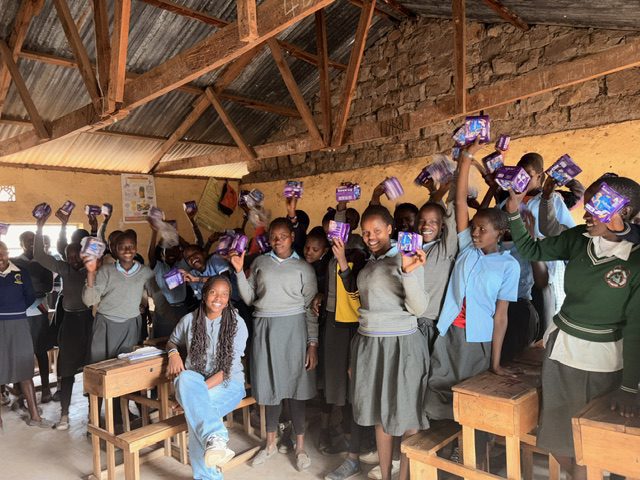
I think that has been my biggest reflection from these school visits. I am seeing more clearly that empowerment does not really have one starting point. For one woman, it might look like learning how to start a business and earn her own income. For another, it might mean returning to school after having a child. And for a younger girl, it might simply mean staying in school, learning more about her health, understanding what a healthy relationship looks like, and having people around her continue to encourage her education.
There was nothing particularly dramatic about these visits, and I think that is part of why I enjoyed them. We talked, laughed a little, handed out sanitary towels, answered questions, and then eventually went on with our day. But I left thinking about the girls a little differently than when I arrived. My work here has mostly had me looking at what empowerment can look like for young women after certain life changes have already happened. These past few weeks gave me the chance to look a little earlier in the story.
More from this Author
-

Somewhere Between Here and Home
Somehow, I have found myself at the halfway point of my fellowship. It feels like just yesterday I was packing my bags, preparing
-
Harvest Season
One thing I am learning about community work is that sometimes you have to know when to slow down. Over the past few
-
BIrthday Activities
There is something incredibly strange about watching everyone go back to college when, for the first time in four years, you are not
Ready to Travel?
Are you curious and ready to dream big? Do you desire to challenge yourself and make a meaningful difference? Become a Lumos Traveler - let’s get you started!