
Learning the Lay of the Land
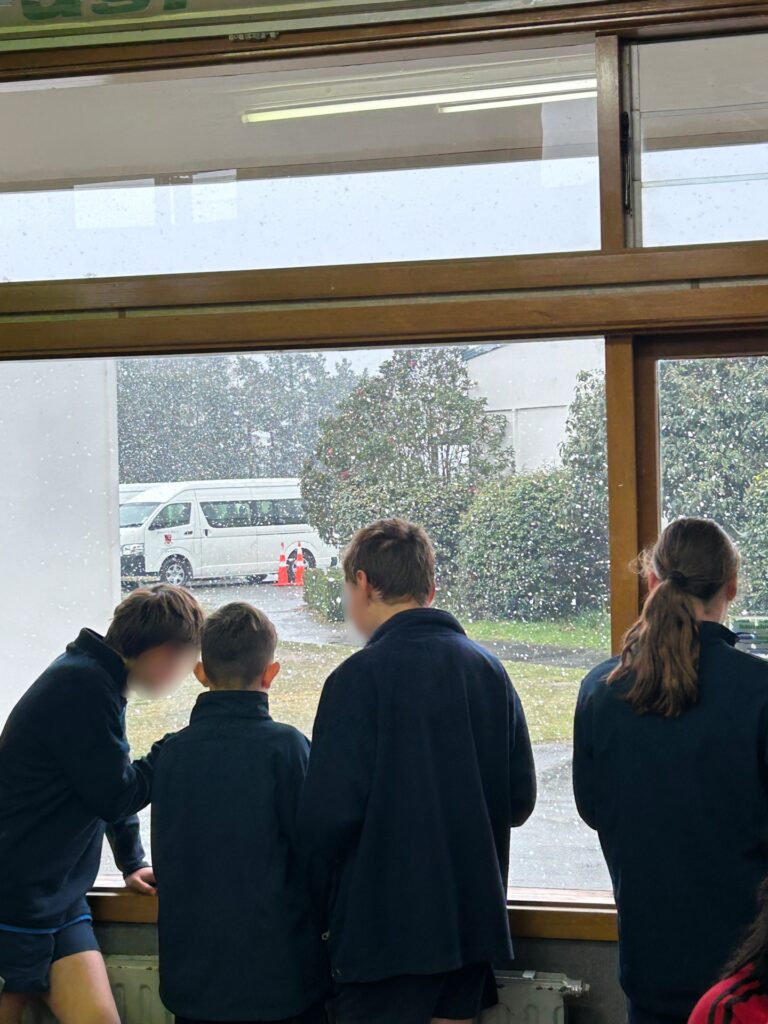
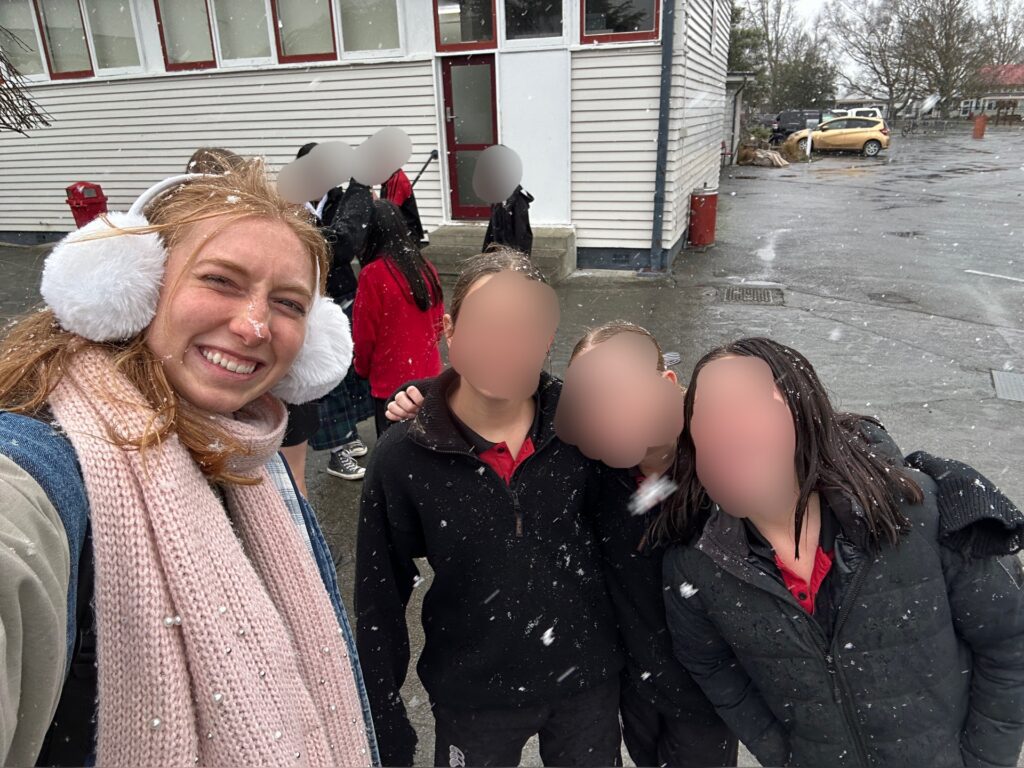
On my first official day, I once again bumped into the inner workings of the Māori and Pākehā’s interwoven culture. Upon arriving at my first staff meeting -bright-eyed and bushy-tailed- on Monday morning, I was greeted with a Māori chant that is recited in every staff meeting, and the school song, which is also in Māori. Then, as it is currently winter here, it began to snow, and all of the children were amazed at the weather. This was a very special time to get to know the kids, as many gathered outside marveling at the snow.
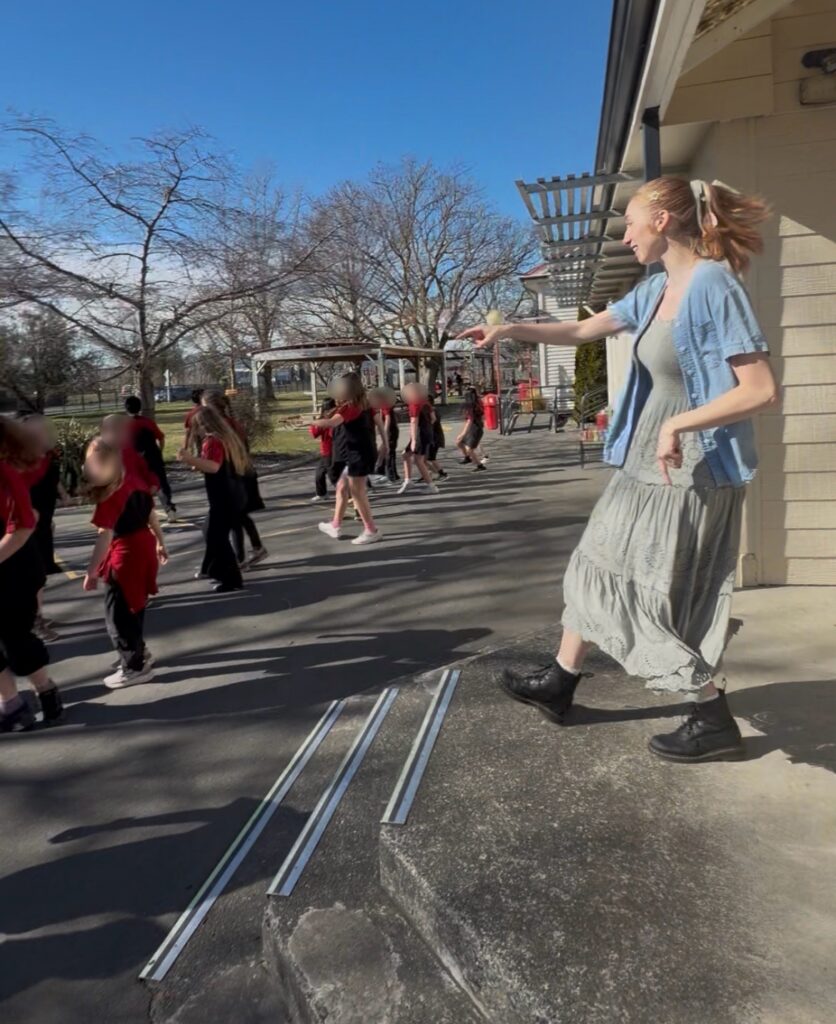
While I became acquainted with the school, I introduced myself to a variety of classes, and all of the children had an abundance of questions about America: “Are the school buses really yellow? Is Raising Cane’s good? Are you friends with any celebrities? Is it really like the movies?” It was a time of laughter and amusement for all- I found interest in learning what they thought America was like, and they had fun seeing it from my perspective. I even got to teach a dance class some American line dancing (shout out Cotton Eyed Joe)!
Next, I intentionally began spending time with the children with special needs. The range of support needed varies greatly. Some students are almost completely non-verbal and require around-the-clock individualized support, while others needed some extra support in specific subjects, or to have instructions explained to them more thoroughly than other students. Many of these students face some sort of disability such as autism, severe ADHD, developmental disabilities, speech impediments, etc. However, a fairly significant portion of the students who also receive individualized care are children of immigrants who speak English as a second language and, therefore, do not fully understand what is happening in class.
As I settle into what it means to live and work in rural New Zealand, I learn about what it means to serve and grow in a community far from home. Accessibility, especially in such a rural town and small school, is a top priority for those who are charged with caring for these deserving students. These efforts include digitizing the tasks other students may be working on, providing intense one-on-one support, and tailoring individual learning opportunities and ensuring that no student is left behind. One example of this is when students were working on writing paragraphs about what may be found on a farm; we worked with the student needing support to think of what could be found on a farm, found pictures on the internet that represented his ideas, and then set up a program for him to record himself saying a sentence about the item. Furthermore, we entered some of his favorite books into software that enables him to click individual words in a sentence to try to put them in the correct order, rather than having to write out the sentence or read it all at once.
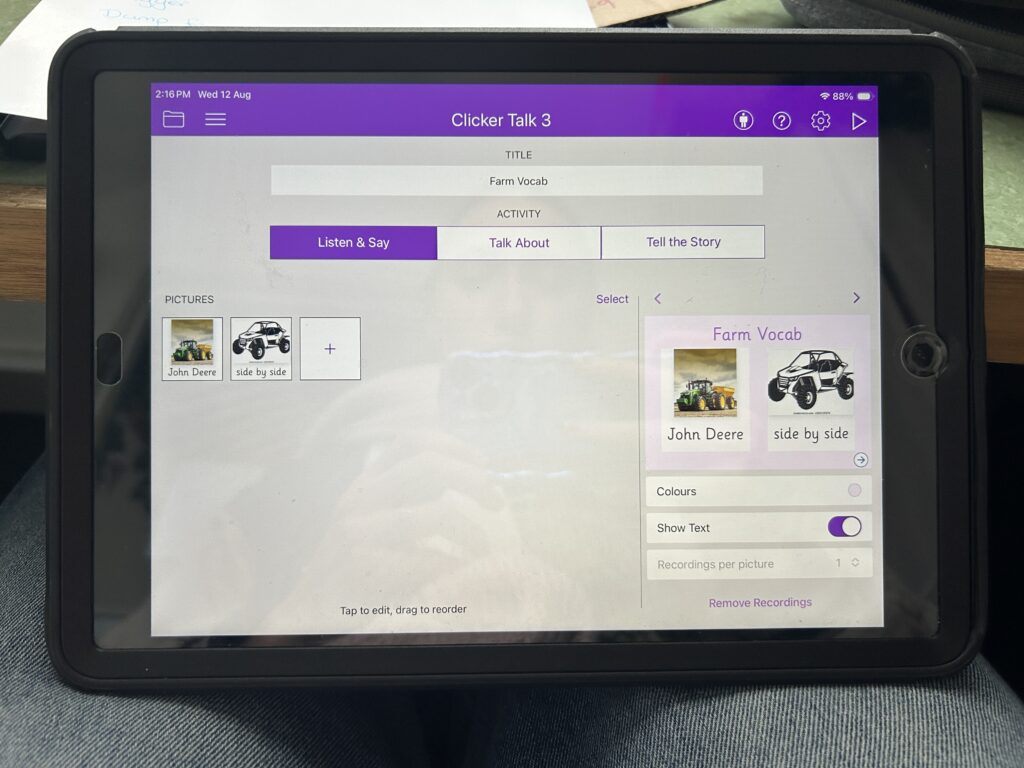
Another example includes having a student with autism present on his YouTube channel (which he was very excited and passionate about), rather than writing and reciting a whole persuasive speech. He still had the opportunity to publicly speak about why his channel mattered to him, gaining skills in public articulation and detailing the importance of something that matters to him, but did not require the level of rigor that would be suited for other students.
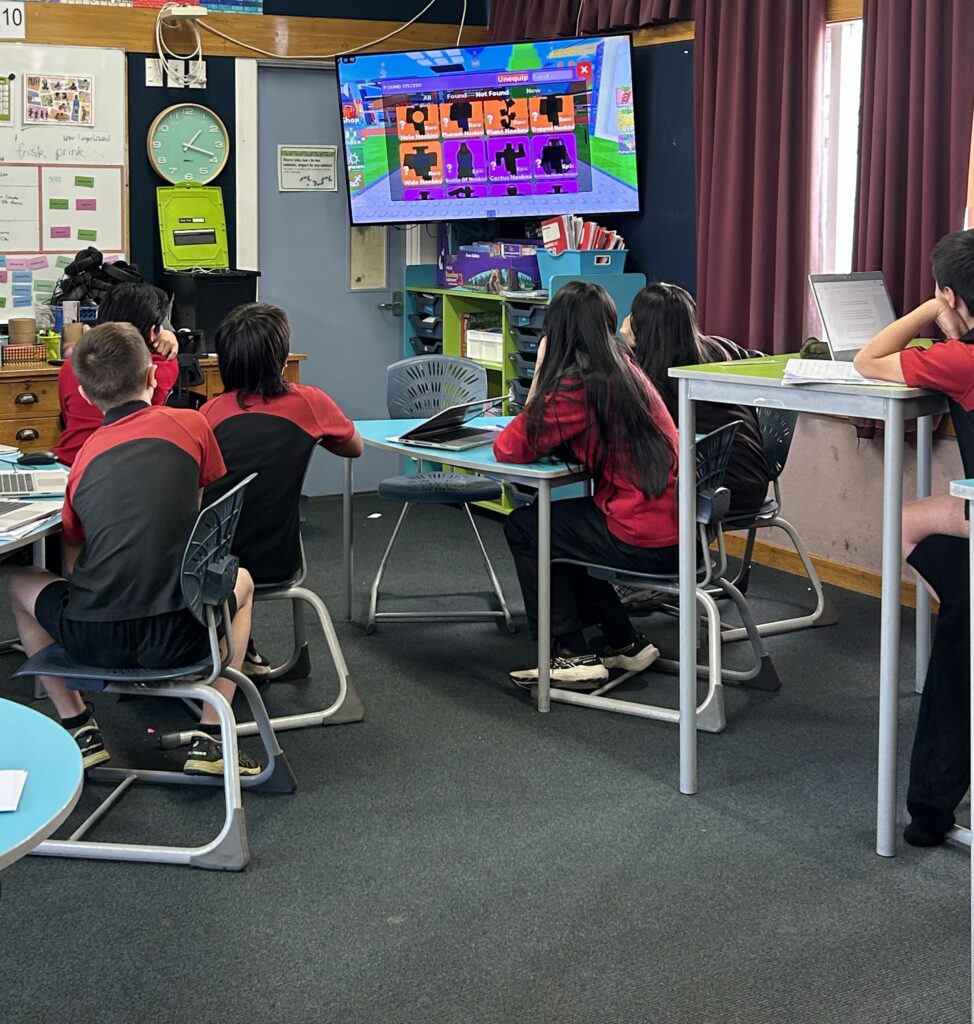
One student that I had the opportunity to work with on my first day is almost completely nonverbal. As her mom brought her into school, she sat on the ground for almost an hour before we could prompt her to enter into her learning space. In an effort toward inclusivity and comfort for this student, she has her own room to learn in. This space includes many items that bring her comfort, making it possible for her to learn. Some of these items include a CD player, dolls, and coloring books. This high school student finds great comfort in music. Typically, in order to calm her enough to do her schoolwork, which typically consists of inset puzzles or practicing clicking an iPad with words to ask for items, she will turn music on her CD player. This attention to the needs of the individual student shows great care for this student. It demonstrates the heart and intellect of serving students with disabilities, and encouraged me to look for what may work for each student, rather than only what may work on a general scale.
Overall, my eyes and ears are being tuned in on focusing on what an individual may be challenged with, what the specific obstacle that may be occurring is, how we can best support them in a way that is specifically tailored to them, and how to give them agency and make them feel heard in the process. Including the student in the process of deciding what is helpful to them has proved to be of great value in the endeavor of making them feel seen and cared for; and they are bright kids! They often know what is best for them! I am honored to get to partner with them in their learning and growth.
More from this Author
-

Adventuring Through Aotearoa
The past two weeks have been filled with incredible adventure and beauty as I ventured through the mountains and mud of New Zealand.
-
Concluding the Term
The past two weeks at Amuri have wrapped up the final weeks of term three (of four). As the term concluded, students partook
-
Opportunity for Observation
As I become more fully settled into the rhythm of life in New Zealand, I become more aware of the strengths and opportunities
Ready to Travel?
Are you curious and ready to dream big? Do you desire to challenge yourself and make a meaningful difference? Become a Lumos Traveler - let’s get you started!