Getting Oriented
The past week has been one of wild adjustment and wonder. As I embarked on my journey half way across the world, I left behind much of what I know to be familiar, ready to embrace a new opportunity to learn and grow. In my first week in New Zealand, I attended an orientation week on the North Island in Tauranga. Here, myself and approximately 35 other volunteers learned about the culture, history, and language of New Zealand. We endeavored to learn the slag, try the food, and even drove on the left side of the road!
Kia Ora
New Zealand has a fascinating multi-cultural history, and the culture is a beautiful melding of the Māori way and the Pākehā (New Zealand European). In this mosaic of people, culture, and art, languages meld, producing a fascinating blend. For example, a common greeting in New Zealand is kia ora, which can mean hello, thank you, welcome, be well, etcetera. This common phrase is used by all, and is a prime example of recognition and honor associated with Māori culture. Language often conveys more than just words spoken, it defines norms, can portray respect, and communicates value.

The Power of Language
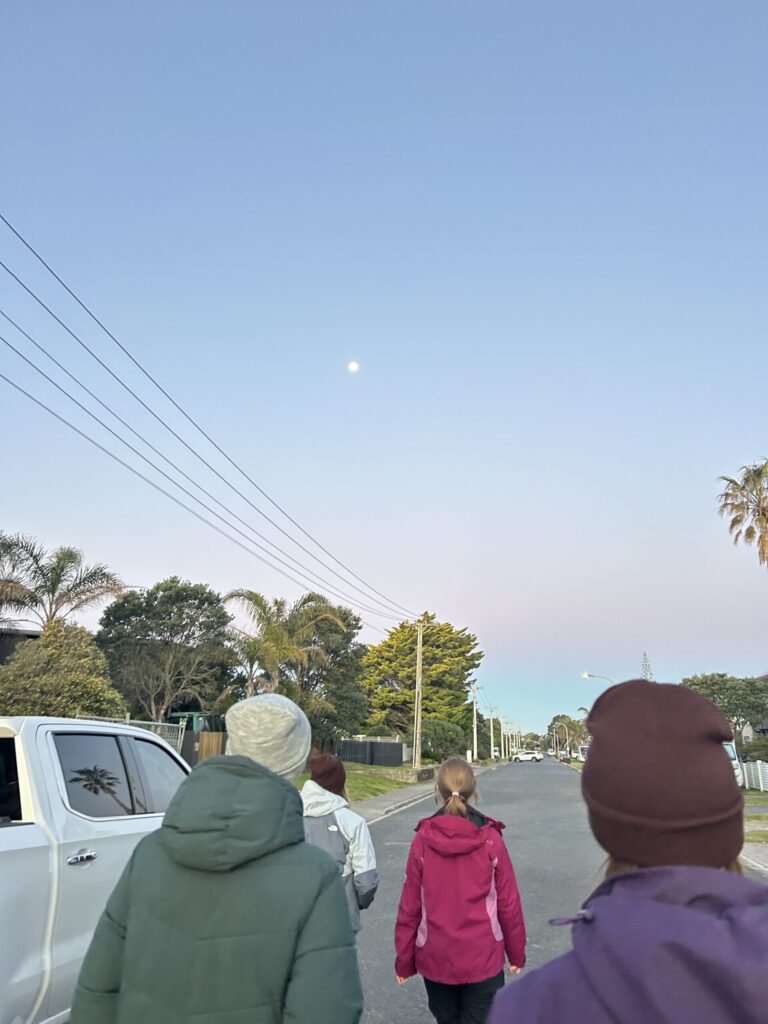
I experienced the power of language during orientation week, as every volunteer except 3 of us had german has a first language ( they all still spoke english as a second language). This resulted in many conversations I did not understand. I had a first hand account of what it was like to have the primary vehicle of communication be different than everyone else. There were times it was difficult to be included, times when I wished I knew what was going on, and times I was glad to be ignorant of the present topic. I have gained a deeper sympathy and understanding for those who, like some Māori folks, do not operate primarily in the dominant language. While one week hardly compares to a lifetime of cultural and linguistic confusion, I am thankful to have walked a few feet in the shoes of someone who may find themselves confused in a room full of english speakers, such as some children from the Māori tribes who find themselves more accustomed to the Māori language.